
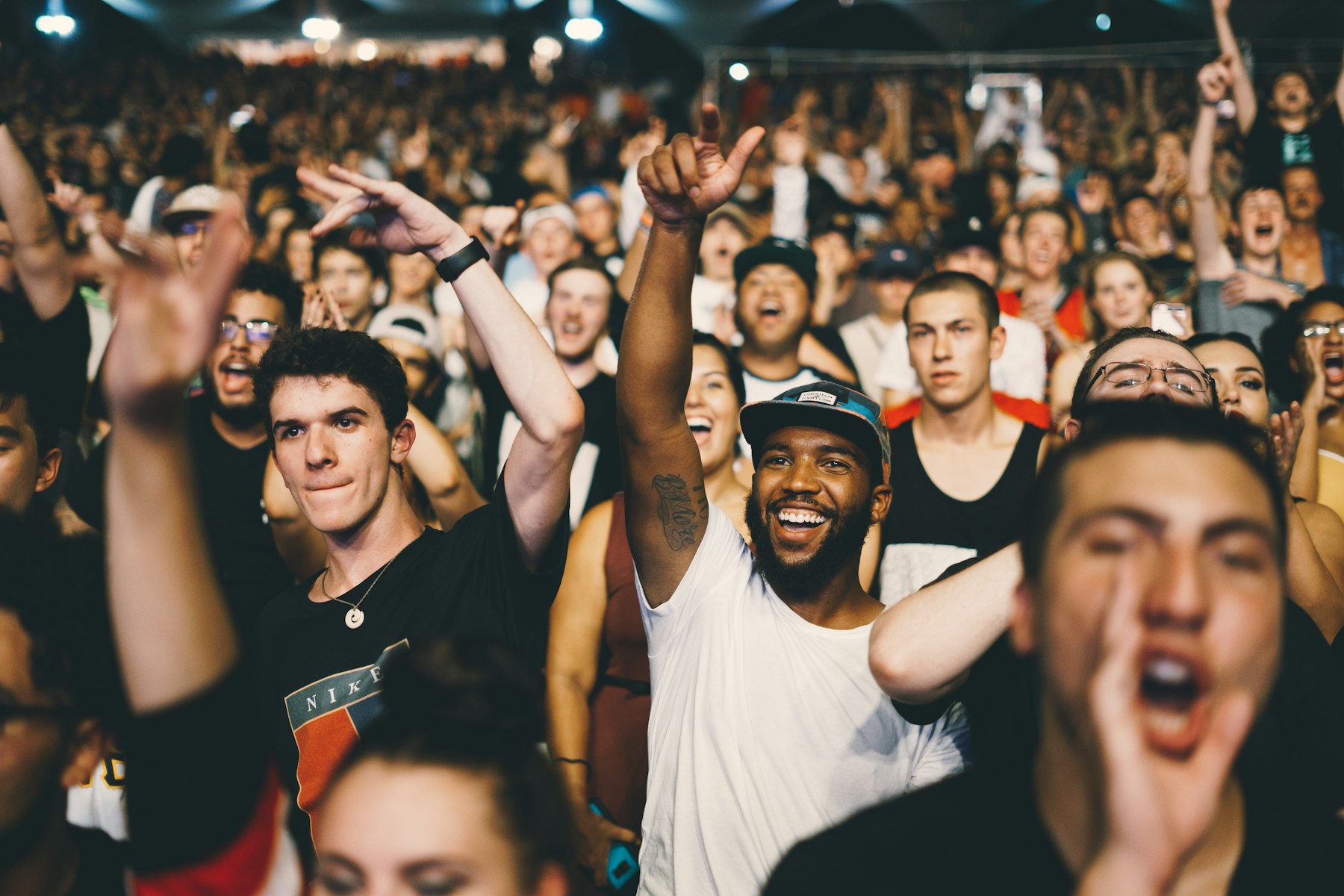
Spatial audio for immersive events in Dubai is moving from specialist concerts and themed attractions into product launches, exhibitions, museums and corporate experiences. Audiences are surrounded by high-resolution LED, projection and interactive content, yet many productions still deliver every sound from a conventional left-right system. That mismatch is becoming harder to ignore. When sound appears to come from the screen, object or performer that created it, the experience feels more coherent, believable and memorable.
Spatial audio is not simply “more speakers” or louder surround sound. It is a design approach in which voices, music and effects are treated as individual audio objects. A rendering engine places those objects within a three-dimensional listening environment and distributes them across the loudspeaker system in real time. For Dubai event teams, the result can be clearer speech, stronger storytelling and more consistent audience coverage—provided the system is planned early.
Why Spatial Audio Is Becoming an Event Technology Priority
Visual production has changed quickly. Curved LED canvases, real-time graphics, projection mapping and virtual production allow content to move naturally across a venue. Audio is now catching up. Modern object-based platforms can follow a presenter walking across a stage, move a vehicle sound around a launch space or create a subtle ambient layer that changes between zones.
The trend also reflects a shift in what clients expect from premium events. A large screen may attract attention, but a carefully designed sound field creates presence. It can make a keynote easier to understand, turn a brand reveal into a physical moment and guide visitors without adding more visual clutter. In competitive Dubai venues, where guests attend many high-production events, that sensory precision can be a meaningful differentiator.
How Object-Based Sound Works
A traditional mix sends audio into fixed channels such as left, right and centre. Object-based sound separates the content from those output channels. Each source carries positioning information—where it should appear, how wide it should feel, and how it should move. The processor then renders that source across the available loudspeakers for the room.
This architecture gives designers more control over localization. A presenter’s voice can appear anchored to their position instead of pulling toward a distant line array. A product film can send sound across a panoramic display. Music can remain enveloping while speech stays focused and intelligible. The same creative principle can scale from an intimate briefing room to a large exhibition hall, although the loudspeaker layout and processing capacity will differ.
Where Immersive Event Audio Creates the Most Value
Product launches and brand reveals
Movement makes a reveal feel intentional. Sound can travel with animated content, build around the audience and resolve precisely at the physical product. This connection between the visual cue and its acoustic origin strengthens attention without relying only on volume.
Corporate keynotes and conferences
For spoken-word events, spatial processing is valuable when it improves localization and uniformity. Guests should hear clear speech whether they are seated near the stage, at the side or beneath a balcony. Tracking can keep the voice associated with a moving presenter, while carefully controlled delays reduce distracting echoes.
Exhibitions and interactive installations
Directional and zoned audio can give neighbouring exhibits distinct identities. Sensors, media servers and show-control systems can trigger localized sound when a visitor approaches or interacts with an object. The objective is not complete acoustic isolation—which may be unrealistic on a busy show floor—but a more focused experience with less spill.
Museums and cultural experiences
Spatial sound can place narration, atmosphere and effects within the story rather than above it. In a heritage installation, a voice may emerge from a specific architectural feature; in a digital art environment, sound can react to a visitor’s position. This supports storytelling while allowing the visual design to remain clean.
Seven Planning Decisions to Make Before Production
1. Define the audience experience. Start with what guests should perceive, not a loudspeaker count. Do they need accurate presenter localization, dramatic motion, ambient immersion or separate content zones? A clear creative brief prevents expensive technology from becoming an effect without purpose.
2. Survey the venue early. Ceiling height, reflective glass, rigging points, stage geometry, audience depth and noise restrictions all affect the design. Dubai ballrooms, exhibition halls and temporary outdoor structures present very different acoustic conditions. A site survey should happen before scenic and lighting plans close off suitable loudspeaker positions.
3. Coordinate audio and visual content. Spatial audio works best when it is authored with the screen content, lighting and show cues. The sound designer needs timecode, media-server outputs, playback stems and a reliable control protocol. Treating audio as a late stereo deliverable limits what the system can achieve.
4. Choose an appropriate loudspeaker topology. Front arrays alone cannot produce every immersive effect. The design may require distributed frontal sources, side and rear reinforcement, overhead channels or compact point-source loudspeakers near scenic elements. Coverage and sightlines should take priority over symmetry on a drawing.
5. Plan tracking and show control. If audio must follow presenters, performers or moving scenic objects, decide how position data will be generated and shared. Tracking should integrate with the audio engine without creating a fragile chain of dependencies. Manual snapshots may be safer for scripted moments; live tracking is useful when movement is less predictable.
6. Build in redundancy. Premium events need a documented fallback for processors, playback, networks and power. Critical speech should continue even if an immersive layer fails. Separate control networks, redundant playback paths and rehearsed recovery procedures protect the show.
7. Allow time for tuning and rehearsal. Object positions that look correct in software may feel different in the room. Engineers need access to tune timing, level, tonality and transitions from multiple audience positions. Creative rehearsal is equally important: a movement that is exciting once can become distracting when overused.
Common Mistakes to Avoid
- Using motion constantly: spatial movement should support a story cue, not compete with it.
- Ignoring speech intelligibility: spectacle has little value if guests cannot understand the presenter.
- Designing from one ideal seat: test front, rear, side and obstructed listening positions.
- Leaving content until the final week: immersive mixes need stems, metadata and rehearsal time.
- Forgetting operational handover: venue teams need clear presets, monitoring and escalation procedures.
Measuring the Return on Immersive Event Audio
Spatial audio ROI should be tied to the event objective. For a conference, measure speech coverage, attendee feedback and reduced requests for level changes. For an activation, examine dwell time, repeat interactions and social content captured around key moments. For a permanent venue, include flexibility: one distributed system may support conferences, performances, branded installations and future content without being rebuilt for every format.
It is also worth measuring production efficiency. A well-designed object-based workflow can store scenes, automate transitions and adapt content to different room configurations. Those benefits become more valuable across recurring events and multi-use destinations.
Design Spatial Audio as Part of the Experience
The best immersive event audio is rarely noticed as technology. Guests simply experience clearer voices, more convincing motion and a stronger connection between what they see and what they hear. Achieving that result requires creative direction, acoustic planning, networked AV, content production and on-site engineering to work as one system.
DigiComm brings those disciplines together across event technology, immersive content and integrated AV solutions. If your next Dubai event uses panoramic LED, interactive media or a story that needs to unfold around the audience, spatial audio should be part of the conversation from the first design meeting.