
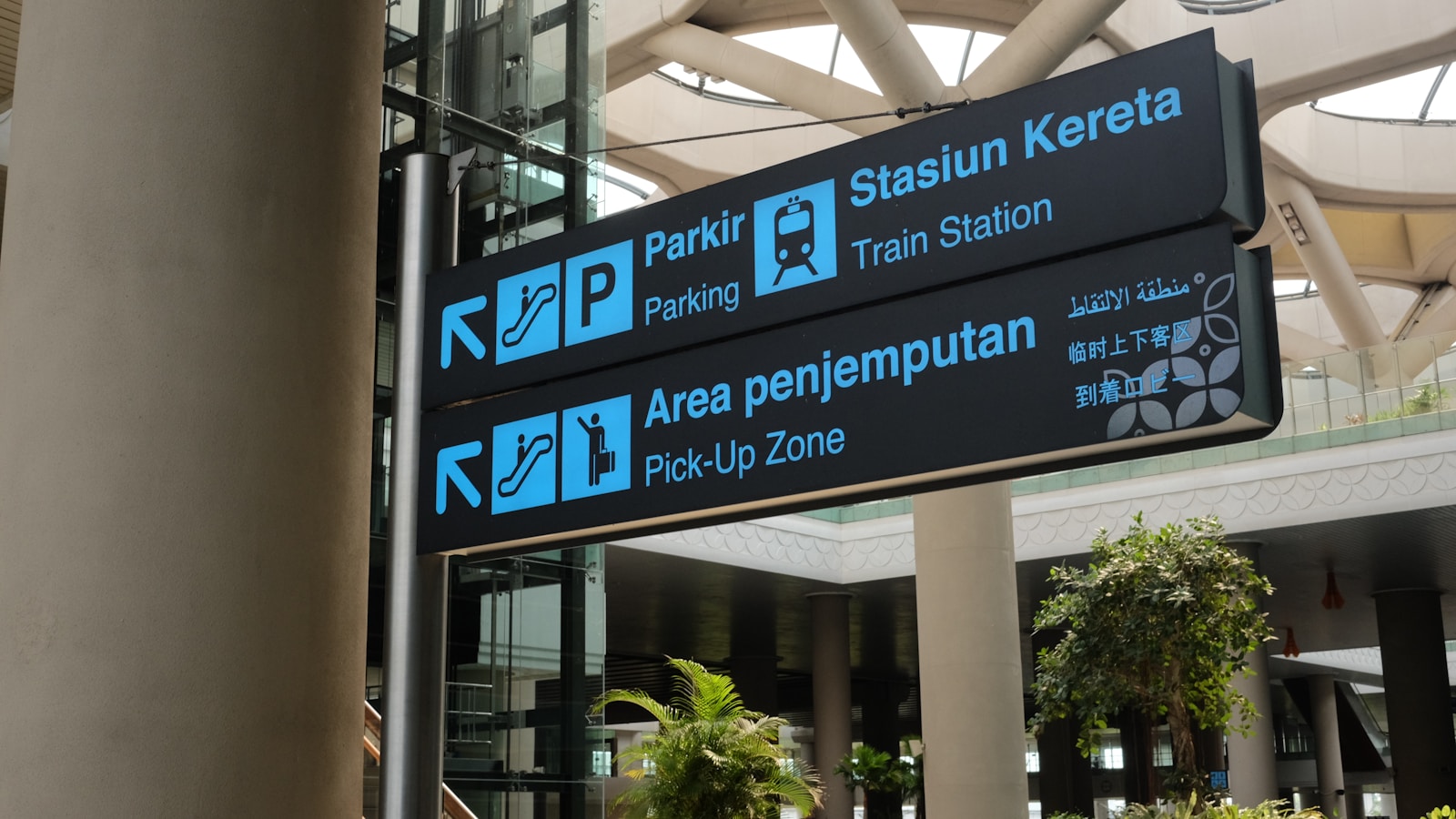
Digital signage has traditionally meant bright LCD panels, LED walls and continuous video. In 2026, a quieter display technology is earning serious attention: full-colour electronic paper, or e-paper. Its image looks more like printed material than a glowing screen, remains visible without constant power and can be updated remotely whenever information changes.
That combination makes colour e-paper digital signage particularly relevant in Dubai and the wider UAE. Retailers, hotels, offices, schools, healthcare facilities and transport operators manage thousands of signs that do not need animation every second. Replacing printed posters with conventional displays can add energy, cabling and maintenance costs. E-paper offers a third option: digital control with the visual comfort and low operating demand of paper.
Why Colour E-Paper Is Trending in 2026
E-paper is not new, but several developments have moved it beyond shelf labels and e-readers. Larger formats, richer colour reproduction, better content-management integrations and flexible installation options were prominent at InfoComm 2026. E Ink used its first dedicated InfoComm booth to demonstrate large-format platforms including Marquee, Spectra 6 and Kaleido 3, while manufacturers such as LG introduced commercial e-paper products designed for managed business environments.
The key technical advantage is bistability. An e-paper panel uses energy when the image changes, but needs little or no power to hold that image. A menu, room schedule, promotion or directional message therefore stays visible even when the display is not drawing continuous power. This is fundamentally different from an LCD backlight or LED module that must remain powered to show content.
The result is not a replacement for every screen. It is a purpose-built medium for content that changes periodically rather than continuously.
Where E-Paper Signage Makes Sense in Dubai
Retail promotions and price communication
Dubai retailers frequently update offers, prices and campaign artwork across multiple branches. Large colour e-paper posters can reduce printing cycles while allowing a central team to schedule changes across the network. Unlike a bright video screen, the paper-like surface can sit naturally beside premium merchandise, inside window displays or on freestanding fixtures without dominating the environment.
Hotel and conference room signage
Hotels and event venues need room names, schedules, sponsor messages and wayfinding that may change several times a day but rarely requires full-motion video. Battery-powered or wirelessly connected e-paper displays can simplify installation on walls where adding power and data cabling would be disruptive. They also remain readable under strong ambient lighting, an important advantage in glass-heavy Dubai venues.
Corporate offices and education
Meeting-room status, desk booking, internal notices, classroom schedules and building directories are ideal low-refresh applications. A networked e-paper estate gives facilities teams the control of digital signage while reducing visual glare in spaces designed for concentration. The absence of constant illumination also makes it suitable for corridors and shared areas that do not need another luminous screen.
Transport and public information
Timetables, gate information, service notices and pedestrian directions must remain legible for long periods. E-paper performs well in bright conditions and can retain the last published message if power is interrupted. For outdoor or semi-outdoor deployments, however, the enclosure, operating-temperature range, ingress protection and network design still need to be specified for UAE heat, dust and humidity.
E-Paper vs LCD and LED Digital Signage
The right display depends on the communication job. LCD remains the practical choice for menus, dashboards and promotions that need frequent transitions or video. Direct-view LED is unmatched for large-scale, high-brightness and creative-format installations. E-paper wins when long dwell time, daylight readability, minimal power consumption and a print-like appearance matter more than motion.
- Choose e-paper for posters, directories, schedules, room signs, price boards and messages that update occasionally.
- Choose LCD for detailed dynamic content, touch interaction, video and fast-changing menus.
- Choose LED for large viewing distances, architectural canvases, stages and high-impact brand experiences.
- Use a hybrid network when a venue has all three communication needs.
A Dubai shopping centre, for example, might use LED for its atrium spectacle, LCD kiosks for interactive navigation and e-paper for tenant promotions and lift-lobby directories. Treating every surface as the same type of screen usually increases cost without improving the visitor experience.
What to Evaluate Before Buying
Colour quality and refresh behaviour vary between e-paper products. Buyers should test real campaign artwork rather than relying only on a specification sheet. Look closely at brand colours, gradients, small text, viewing distance and the time required for a full image update. Some panels may briefly flash or cycle during refresh, which is acceptable for a poster but unsuitable for rapidly changing information.
Content workflow matters just as much as the panel. Confirm that the display can connect to the organisation's digital signage CMS, accept standard image formats and report device health. Templates should enforce safe font sizes and contrast. Where information is time-sensitive, the system should also define update confirmation, caching and a fallback message.
For battery-operated installations, ask vendors to model battery life against the actual update schedule and wireless check-in frequency. A sign refreshed twice per day has a very different energy profile from one refreshed every few minutes. For mains-powered fleets, compare total annual energy and maintenance requirements with equivalent LCD hardware rather than focusing only on purchase price.
A Practical Pilot Plan
Start with one repeatable use case across a small number of locations. A hotel might pilot conference-room signs; a retailer might select promotional posters in three stores. Establish a baseline for printing, staff replacement time, energy, content errors and speed of campaign updates.
Run the pilot through a realistic Dubai operating cycle, including bright daylight and busy periods. Check remote publishing reliability, readability, mounting, connectivity and the response of on-site teams. The business case should measure avoided print production and logistics as well as electricity. In multi-site operations, the ability to correct every sign from one dashboard may be more valuable than the energy saving alone.
The Sustainable Signage Strategy Is About Fit
Colour e-paper is becoming commercially credible because it solves a specific problem: keeping mostly static information current without running an emissive display all day. It will not replace video walls or interactive touchscreens, but it can remove unnecessary power consumption and printed waste from a well-designed signage network.
DigiComm helps UAE organisations plan display estates around the content, environment and measurable business outcome of each location. From BrightSign-powered dynamic screens and interactive Nexmosphere experiences to emerging low-power display formats, our team can design a practical mix rather than forcing one technology into every application. Contact DigiComm to assess where e-paper, LCD and LED belong in your next digital signage rollout.