
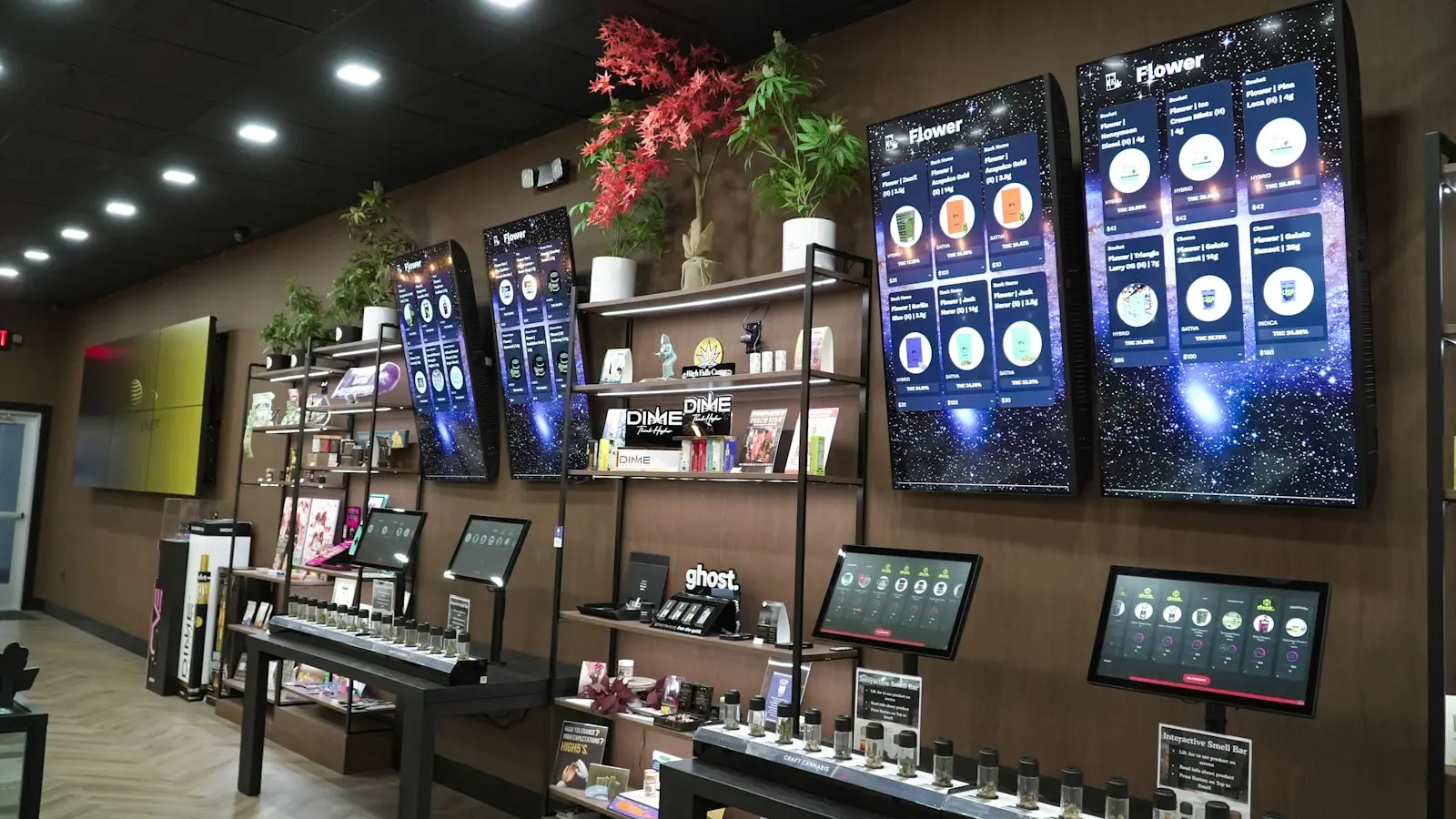
Retail media networks in Dubai are moving fast from ecommerce strategy to physical-store reality. For brands, that means the screen inside a store is no longer just a looped promotion or a digital poster. It is becoming a measurable media asset that can influence consideration, drive impulse purchases, and connect online targeting with offline buying behavior.
That shift matters in the UAE, where premium retail environments, luxury footfall, and experience-led shopping already set a high bar. The next step is obvious: make in-store screens smarter, more dynamic, and more accountable. In 2026, the retailers that win will not treat digital signage as décor. They will treat it as revenue-generating infrastructure.
For Dubai malls, flagship stores, supermarkets, airports, and pop-up activations, this is where AV technology, content strategy, and analytics finally converge. And it is exactly why retail media is becoming one of the most important conversations in digital signage right now.
What retail media networks actually mean for physical stores
Most marketers already understand retail media in its ecommerce form: sponsored placements on retailer websites and apps, powered by first-party data. The 2026 evolution is bringing that same logic into physical environments through in-store digital signage, shelf-edge displays, interactive kiosks, LED walls, and connected screens near entrances, checkouts, and product zones.
Instead of showing the same generic creative all day, retailers can now run campaigns based on time of day, location, inventory levels, audience behavior, or promotional priorities. A beauty brand can dominate screens near a cosmetics area during peak evening traffic. A beverage promotion can swap in automatically when temperatures rise. A new product launch can appear across multiple stores at once without a print rollout or manual changeover.
That is the real promise of a physical retail media network: relevance at the moment of purchase.
Why Dubai is a natural market for retail media signage
Dubai is unusually well positioned for this model. The city combines high-traffic retail destinations, digitally mature consumers, and a strong appetite for premium brand experiences. Shoppers in the UAE are already accustomed to immersive environments, luxury presentation, and frictionless service. Static signage feels dated in that context.
Retailers also face a practical challenge: shelf competition is brutal. When multiple brands sit side by side, the ability to own surrounding screen real estate becomes powerful. A well-placed LED display or interactive endcap can do more than attract attention. It can educate, cross-sell, localize messaging, and push customers toward a decision before they ever reach the cashier.
For landlords, mall operators, and major retail groups, there is another upside: monetisation. Screens that were once treated purely as operational tools can become media inventory. That changes the business case from “nice to have” to “worth investing in.”
From screens that repeat to screens that react
The biggest difference between old-school signage and 2026 retail media signage is intelligence. Modern systems are connected to content management platforms, data inputs, and increasingly to sensor-driven triggers. Instead of publishing one playlist and hoping for the best, retailers can run responsive campaigns that adapt in real time.
This is where platforms such as BrightSign and interactive ecosystems such as Nexmosphere become especially useful. Reliable media players keep playback stable across complex networks, while sensor layers can trigger product content, detect dwell, or activate interactions that make the experience feel intentional rather than passive.
- Inventory-aware messaging to prioritise products that are actually available
- Dayparting for breakfast, lunch, evening, or weekend audience shifts
- Zone-based creative that matches what shoppers are seeing physically around them
- Interactive prompts through kiosks, touch displays, QR journeys, or lift-and-learn moments
- Campaign measurement tied to dwell time, engagement, coupon redemption, or sales uplift
That is a much stronger proposition than the traditional “brand video on a loop” approach. One performs. The other just exists.
Measurement is why brands are finally taking it seriously
If digital signage is going to compete for advertising budgets, it has to prove value. This is where retail media networks are changing the conversation. Brands want more than impressions. They want attribution, audience insight, and evidence that screen exposure influenced store performance.
In 2026, better measurement is coming from a mix of POS integration, campaign scheduling data, sensor inputs, traffic patterns, coupon or QR redemption, and broader first-party retail insights. No single metric tells the whole story, but together they create a much clearer picture of what worked.
That matters for Dubai retailers running premium brand partnerships. If a tenant, FMCG brand, electronics vendor, or beauty label can see that an in-store display campaign increased engagement in a high-value zone or supported a measurable sales lift, the screen stops being a cost centre. It becomes media with teeth.
The role of interactivity in retail media growth
One reason this trend is particularly relevant to DigiComm is that the strongest retail media experiences are not just visual. They are interactive. They invite action.
Interactive displays, sensor-enabled shelves, motion-triggered content, and gamified brand moments can all increase dwell time and recall. In categories where shoppers need education before purchase, interactivity becomes even more valuable. Think cosmetics, consumer electronics, automotive accessories, health products, or luxury goods.
When a customer picks up a product and nearby content changes instantly, the message feels personal. When a kiosk helps compare models or surface promotions, the screen becomes useful. When a retail activation blends physical product storytelling with digital content, the experience becomes shareable. That is the sweet spot for modern in-store media.
What retailers in the UAE should get right first
Not every store needs a giant LED wall to build a retail media strategy. In fact, the smartest approach is usually phased.
Start with the zones that influence buying decisions most directly: storefront windows, category endcaps, checkouts, promo tables, and queue areas. Make sure the hardware is commercial-grade, the content workflow is manageable, and the analytics plan is defined before rollout. Too many projects fail because brands obsess over the screen and ignore the operating model behind it.
Retailers should also think carefully about content governance. If multiple suppliers or brand partners will eventually buy media placements, campaign rules, approvals, durations, and creative specs need to be clear from day one. Otherwise, the network becomes chaos with pixels.
Most importantly, avoid building a flashy system that cannot scale. Stable playback, remote management, integration readiness, and support matter more than novelty. That is why enterprise signage architecture is worth doing properly.
Where DigiComm fits
DigiComm sits at a useful intersection for this shift. The company already works across digital signage and AV solutions, interactive content and immersive experiences, and high-impact physical activations. Retail media networks increasingly need all three.
A successful rollout is not just a screen procurement exercise. It needs dependable playback hardware, creative strategy, interactive logic, content production, and on-the-ground understanding of how people move through a space. That mix is exactly what turns a display network into a retail media platform instead of a pile of disconnected screens.
The next big ad channel is already inside the store
The headline is simple: physical retail is becoming media-rich again. As cookies weaken, acquisition costs rise, and brands chase measurable offline impact, retail media networks in Dubai are becoming too valuable to ignore.
The stores that act now can create new revenue streams, stronger brand partnerships, and more engaging shopper journeys. The ones that wait will still have screens, but they will be using them like it is 2019.
If you are planning a retail rollout, store refresh, or interactive brand environment in the UAE, DigiComm can help design the hardware, content, and engagement layer that makes in-store media actually work.