
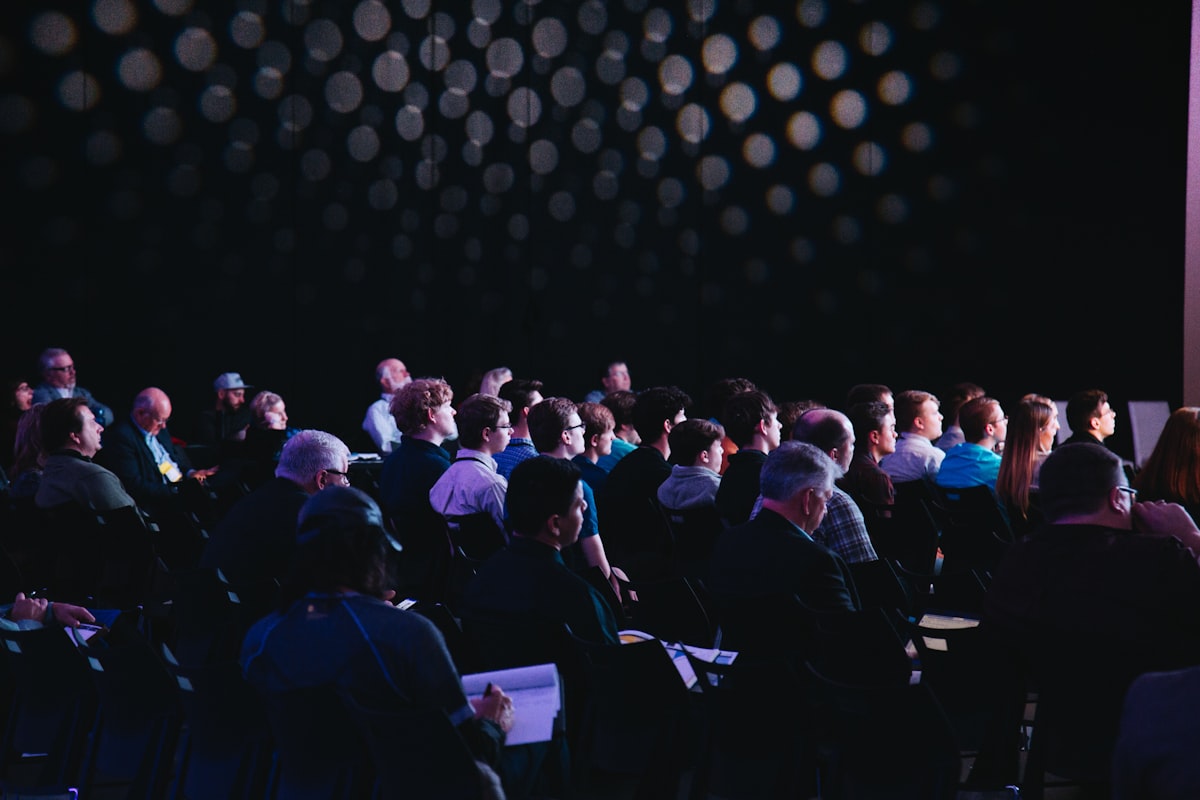
In 2026, the event stage is no longer built from scaffolding and fabric. It is rendered in real-time, lit from within, and responds to every move on the floor. AI-powered LED walls have moved from film studios and broadcast sets into the heart of Dubai's conference halls, product launches, and brand activations — and the shift is accelerating fast.
The convergence of high-resolution direct-view LED panels, real-time rendering engines like Unreal Engine, and AI content generation tools is enabling event producers to create fully immersive virtual environments without a single location shoot. The result? Stunning cost efficiencies, instant scene changes, and experiences that would have cost millions just three years ago.
What Is Virtual Production, and Why Does It Matter for Events?
Virtual production refers to the use of LED walls — typically curved, floor-to-ceiling configurations — as a backdrop for live events. Rather than projecting onto a flat screen or hanging static signage, teams render dynamic, photorealistic environments in real-time using engines such as Unreal Engine or Unity. Camera tracking systems sync the rendered content to the physical camera angle, creating the illusion that performers are standing in a Moroccan riad, an underwater coral reef, or a futuristic Martian colony.
For live events in Dubai, this means brands can transport audiences anywhere in the world — or beyond it — without ever leaving the venue. A product launch at the Dubai Exhibition Centre can feature a fully rendered, brand-specific environment that updates live during the presentation. A gala dinner can shift from a desert sunset to a starfield in seconds. The stage is no longer a backdrop; it is a living world.
AI Is the Real-Time Content Engine
Where AI supercharges this workflow is in the generation and adaptation of content. Modern AI tools can generate procedural environments from text prompts — describe a futuristic cityscape or a heritage souk, and the system builds a matching rendered environment. Style transfer algorithms can shift the mood of an entire LED wall from warm amber to cool arctic blue mid-event, responding to the narrative arc of the presentation.
Computer vision AI also powers interactive LED walls. Using audience tracking cameras, the system can detect emotional responses — confusion, excitement, boredom — and adapt the visual content in real-time. A display that was showing general brand messaging can shift to a specific product feature if the system detects a cluster of engaged attendees looking at that area of the stand.
For live streaming and hybrid events, AI automates multi-camera switching, real-time subtitling, and multilingual dubbing, turning a single physical event into a globally distributed broadcast in hours, not days.
LED Wall Technology: What Venues Need to Know
Not all LED walls are built for event production. Key specifications to understand:
- Pixel Pitch (P1.2–P2.5): Tighter pixel pitches deliver sharper images at closer viewing distances. For a corporate event at a hotel ballroom, P2.5 is typically sufficient. For a large arena or broadcast-quality production, P1.2 or finer is preferred.
- Refresh Rate (3840Hz+): Essential for flicker-free camera capture. Any refresh rate below this will cause visible banding on broadcast or recorded footage.
- Brightness (600–1500 nits): Higher brightness overcomes ambient light in bright exhibition halls — critical for Dubai venues with large skylights and glass facades.
- Color Gamut (DCI-P3): Professional-grade color reproduction ensures brand colors render accurately on camera and to the live audience.
Brands like SwedX are delivering display solutions with improved energy efficiency, reducing the heat load and operational cost of large LED volumes — a meaningful factor for multi-day events in the UAE climate.
Real-World Applications in Dubai
Dubai's event sector has been quick to adopt virtual production LED workflows. Major activations have already showcased the technology in these contexts:
- Corporate Product Launches: Full LED volume stages where the product is revealed within a dynamically rendered environment, with the physical product and the virtual world responding to the same cues in real-time.
- Exhibition Booths: Interactive LED walls with gesture recognition — visitors wave or approach sensors to trigger brand stories, product specs, or interactive 3D models on the wall itself.
- Gala Dinners and Congresses: Transformative environments that shift between courses or session themes, creating distinct visual zones within a single hall without physical set construction.
- Hybrid Broadcast Events: AI-driven multi-camera production where the LED wall serves as a branded virtual backdrop for both the live audience and remote viewers, with AI-generated lower thirds and translations overlaid in real-time.
The ROI Case: Why Brands Are Making the Switch
The financial case for virtual production LED walls is compelling. Traditional set construction for a major event can cost AED 500,000 or more, with build, install, and dismantle timelines spanning weeks. A virtual production LED stage can be installed in 48–72 hours, with the environment reprogrammed or refreshed for subsequent events at minimal incremental cost.
Beyond cost, the experiential impact drives measurable business outcomes. Events using immersive LED environments report 50–70% higher attendee engagement scores and significantly longer dwell times at exhibition booths. For brands investing in Dubai's premium event market, the impression left by a world-class virtual environment translates directly into brand equity and pipeline.
What Is Holding Back Faster Adoption?
Despite the momentum, some practical barriers remain. AI-generated video content at 4K+ resolution on large-scale LED walls can still produce visible artifacts — particularly on camera, where scrutiny is highest. Brand-accurate color reproduction in AI-generated environments is not yet foolproof, requiring skilled artists to review and refine outputs. The technology is most reliable for atmospheric and abstract content; highly specific product visuals may still need traditional design and rendering workflows.
For Dubai venues specifically, power infrastructure and cooling logistics for large LED volumes require early coordination with venue operations teams — another reason to work with an experienced AV integration partner from the earliest stages of event planning.
Building the Right Team for Virtual Production Events
Virtual production is not a hardware problem — it is a workflow problem. A successful deployment requires coordination across AV integration, 3D content creation, real-time engine operation, AI tooling, camera tracking, and broadcast-quality switching. That is a wide range of expertise to assemble for a single event.
At DigiComm, we bring these disciplines together through our Events and Studio pillars. Our team integrates BrightSign-powered display systems with custom Unreal Engine environments, AI-driven content generation, and broadcast-ready production workflows — built for Dubai's premium event landscape.
Whether you are planning a product launch, an exhibition presence, or a hybrid congress, the question is no longer whether to use virtual production LED walls. It is how fast you can get ahead of your competitors who have not yet made the switch. Explore our Events solutions to see what is possible.