
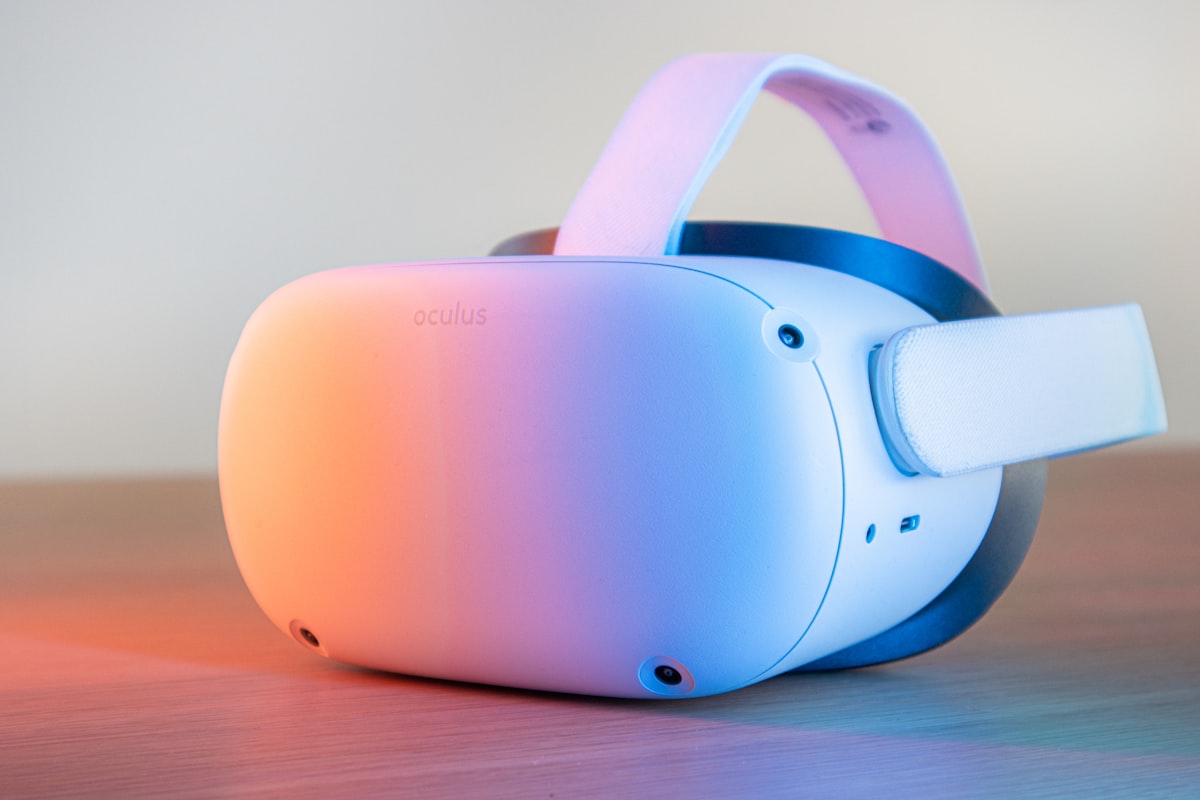
The year 2026 marks a pivotal shift in how we perceive and interact with digital content in the physical world. In Dubai, a city already synonymous with cutting-edge technology, the traditional boundary between "the screen" and "the space" is rapidly dissolving. This transformation is driven by Spatial Computing—a paradigm shift that is redefining digital signage from a passive viewing experience into an active, immersive environment.
Beyond the Rectangle: What is Spatial Computing in Signage?
For decades, digital signage has been confined to rectangular screens—LED walls, LCD displays, and projection mapping. While these have become increasingly sophisticated, they remain distinct from the viewer's physical reality. Spatial computing, accelerated by the widespread adoption of devices like the Apple Vision Pro and advanced AR/XR headsets, allows digital content to be anchored to physical objects and spaces with millimeter precision.
In the context of Dubai's retail and event landscape, this means that a digital display is no longer just a source of information; it is a gateway. When a visitor approaches a "Spatial Sign" at the Dubai Mall, their device (or the installation's sensors) can overlay 3D product models, interactive historical data, or personalized wayfinding directly onto the physical environment around them.
Apple Vision Pro and the Enterprise Integration
While consumer adoption of spatial headsets is growing, the real revolution is happening in the enterprise sector. DigiComm is at the forefront of integrating visionOS capabilities with traditional AV infrastructure. By 2026, we are seeing major brands in the UAE utilize spatial computing for:
- Immersive Retail Planning: Retailers can visualize entire store layouts and digital signage placements in 1:1 scale before a single screw is turned.
- Interactive Product Showcases: High-end automotive and luxury brands in Dubai are using spatial overlays to allow customers to "see inside" products, change colors in real-time, and experience features that are impossible to show on a flat screen.
- Enhanced Event Navigation: Major exhibitions at the Dubai World Trade Centre are utilizing spatial anchors to guide visitors through complex halls with floating 3D markers and real-time booth information.
The Role of AI and Sensors
Spatial computing doesn't work in a vacuum. It relies heavily on the sensor ecosystems we've been building for years. Technologies from partners like Nexmosphere—which use LiDAR, proximity sensors, and gesture recognition—provide the "spatial awareness" needed for these systems to react to human movement. When combined with Generative AI, these displays can create personalized 3D environments on the fly, tailored to the specific demographics and interests of the person standing in front of them.
Why Dubai is the Global Hub for Spatial Signage
Dubai’s infrastructure is uniquely suited for this rollout. With the city’s 5G-Advanced (5.5G) networks providing the low latency required for seamless spatial rendering, and a consumer base that demands "world-first" experiences, the UAE has become the primary testing ground for spatial computing at scale.
From holographic concierges in luxury hotels to AR-enhanced museum exhibits in the Shindagha District, spatial computing is ensuring that digital signage remains the most powerful tool for brand storytelling in 2026.
Conclusion: Preparing for a Spatial Future
The transition to spatial computing isn't about replacing screens; it's about expanding their potential. At DigiComm, we believe the future of AV integration lies in the seamless blend of high-resolution physical displays and the infinite canvas of spatial computing. For businesses in Dubai, the question is no longer "How do we fit on the screen?" but "How do we inhabit the space?"
Is your brand ready for the spatial revolution? Contact DigiComm today to explore how we can transform your physical space into a digital masterpiece.