
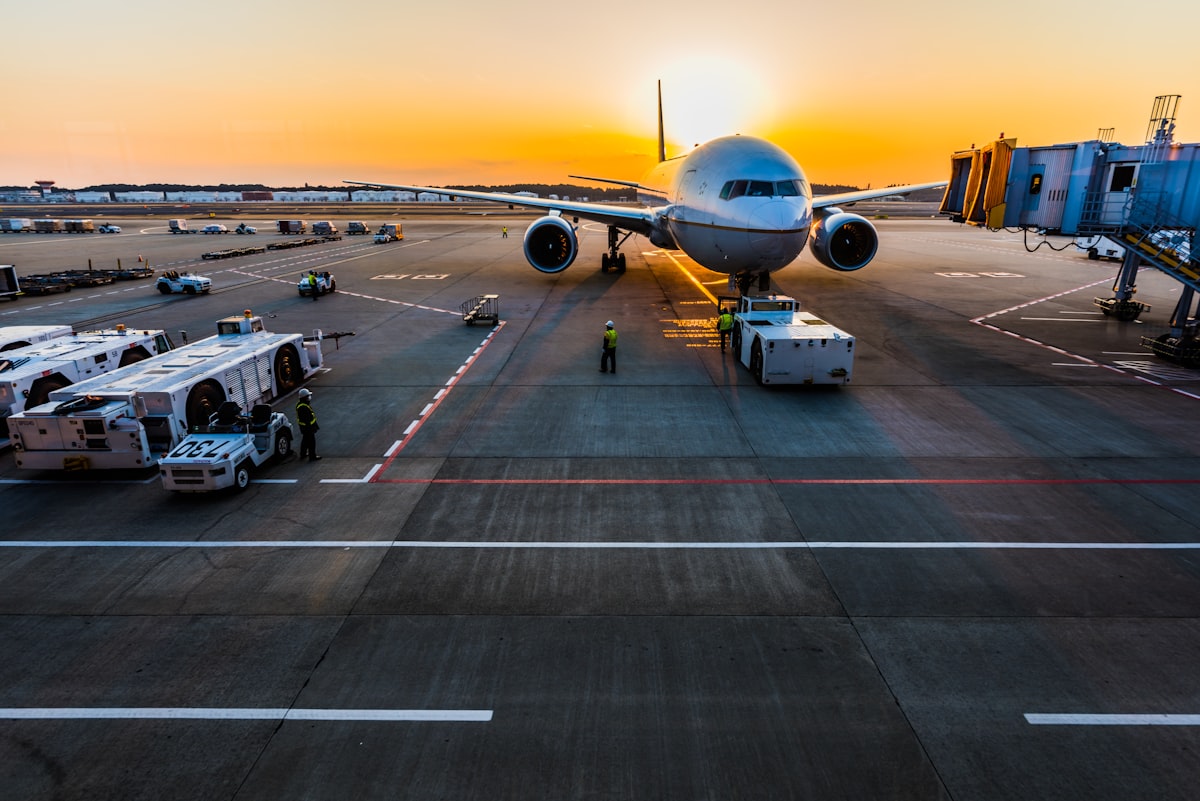
As we move through 2026, Dubai continues to set the global benchmark for aviation excellence. But the innovation isn't just happening on the runways; it's happening in the very fabric of the airport terminal. The "Frictionless Frontier" is no longer a concept—it is a reality powered by a sophisticated blend of biometric identification, AI-driven digital signage, and immersive audiovisual environments that turn transit into an experience.
The Rise of 'Invisible' Technology
One of the most significant shifts highlighted at the recent Airport Show 2026 in Dubai is the move toward "invisible" technology. The goal is to create a journey where the traveler barely notices the complex systems ensuring their safety and efficiency. High-resolution LED displays and transparent OLED screens are being integrated into architectural elements, providing real-time, personalized wayfinding that adapts to the individual standing before it.
Imagine walking through a corridor where the digital signage recognizes your biometric signature (with full privacy compliance) and subtly highlights your gate number or lounge access in your native language. This is the level of hyper-personalization that DigiComm is helping bring to life through advanced AV integration.
Biometrics: The Universal Key
In 2026, your face is your boarding pass, your passport, and your payment method. Dubai’s smart gates now utilize multi-modal biometrics—combining facial recognition with iris scanning—to process passengers in seconds. This "walk-through" security and boarding process eliminates the traditional friction points of travel, allowing passengers more time to enjoy the world-class retail and leisure facilities.
- Seamless Boarding: No more fumbling for papers or phones; the gate opens as you approach.
- Personalized Retail: Interactive displays in duty-free areas offer recommendations based on your preferences and destination.
- Smart Wayfinding: Real-time updates on walking times to gates and flight status changes delivered via high-brightness signage.
Immersive AV: From Terminal to Destination
Airports are no longer just transit points; they are becoming immersive destinations in their own right. Large-scale anamorphic 3D LED installations—similar to the groundbreaking work DigiComm has deployed in luxury retail—are now being used to create "calm zones" and cultural showcases. These displays use spatial audio and high-definition visuals to transport travelers to the heart of Dubai or a serene desert landscape, reducing travel stress and enhancing the brand of the city.
Furthermore, the integration of haptic technology and AR wayfinding via mobile devices or smart glasses allows travelers to navigate complex terminals with ease. By overlaying digital directions onto the physical world, airports are solving the age-old problem of terminal navigation for international travelers.
The Role of Data and AI
Behind the scenes, AI-driven insights are managing passenger flow with surgical precision. By analyzing real-time data from sensors and cameras, airport operators can predict bottlenecks before they happen and redirect staff or change digital signage messaging to balance the load. This predictive capability ensures that even during peak travel seasons, the experience remains smooth and "frictionless."
Conclusion: The Future is Here
The transformation of Dubai’s airports in 2026 is a testament to the power of integrated technology. By combining the physical and digital worlds through smart AV solutions, Dubai is not just moving people—it is elevating the very human experience of travel. At DigiComm, we are proud to be at the forefront of this revolution, providing the hardware and expertise that makes the "Invisible Terminal" possible.
Whether it’s through high-performance media players like BrightSign or custom-engineered LED solutions, the future of travel is being built right here in the UAE.