
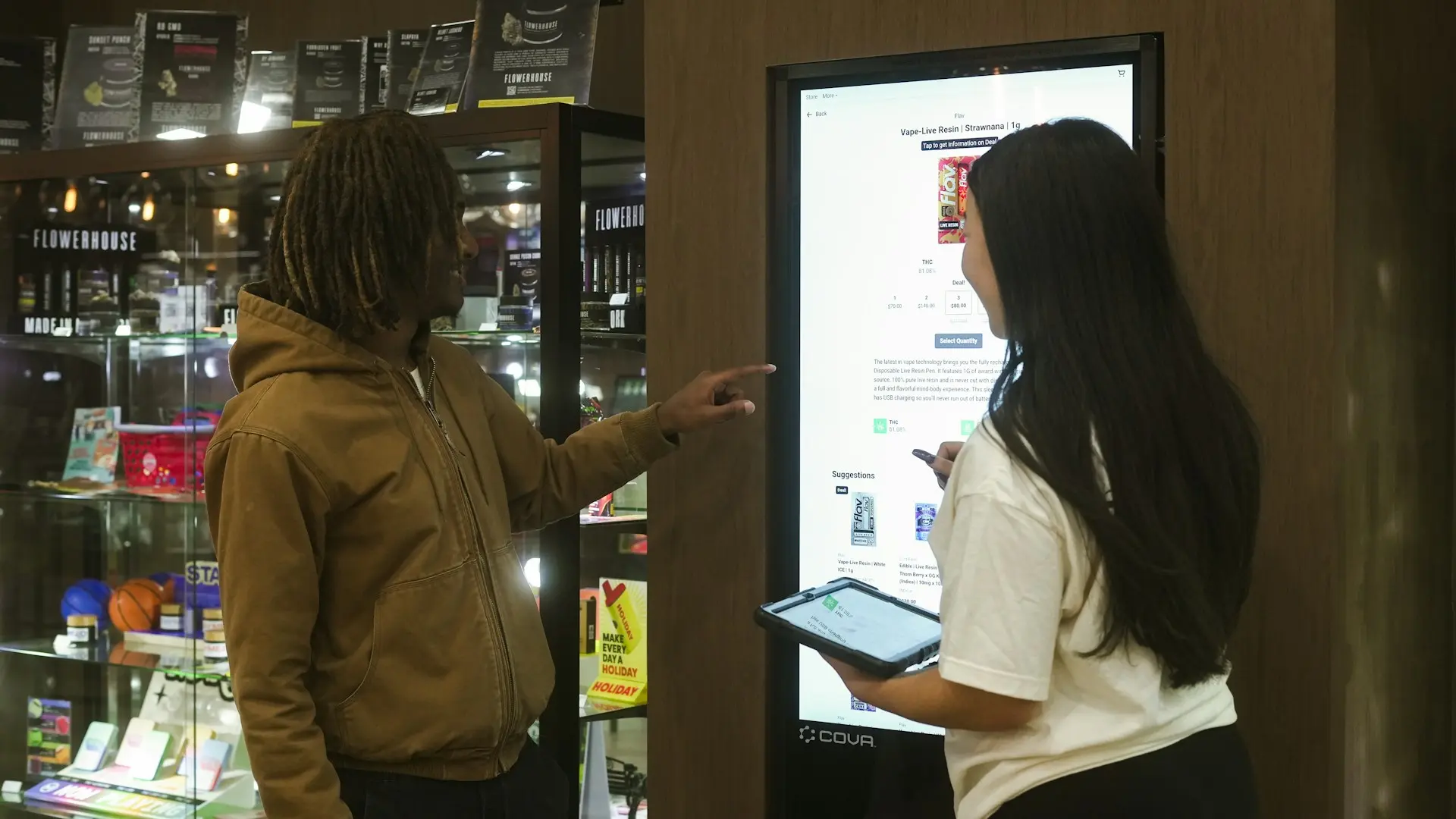
For years, digital signage content was a bottleneck. Screens sat idle while designers queued up designs. Menus went outdated during rush hours. Promotions ran their scheduled lifespan regardless of whether inventory existed to fulfil them. That model is collapsing. In 2026, AI-powered Content Management Systems are eliminating the gap between data and display — generating, scheduling, and optimising content automatically, in real-time.
The numbers make the case plainly: 41% of digital signage networks now use AI for content optimisation, up 17 percentage points since 2024, with that figure projected to hit 65% by 2028. Retailers deploying automated content workflows report an average ROI of 52%, with a payback period of just 14 months. In the UAE, where competition for consumer attention in malls, airports, and hospitality venues is among the fiercest globally, automated content generation is no longer a competitive advantage — it is the baseline.
What Automated Content Generation Actually Means
The phrase covers three distinct capabilities. The first is dynamic content creation: AI models that generate display-ready visuals and copy from structured data inputs — a feed of available products, a weather API, a POS inventory signal. The second is intelligent scheduling: systems that determine which content plays on which screens at which times based on live audience data, not static playlists. The third is continuous A/B testing and optimisation: the CMS itself learns which creative variants drive more engagement and automatically prioritises the best performer.
Together, these capabilities reduce manual content production effort by 70–80% while simultaneously improving relevance. A fast-food chain can update its entire menu board network across 50 locations in minutes when a supplier notifies the system of a stock-out — something that previously required a broadcast email to a design team and a 48-hour turnaround.
How It Works in Practice
Modern AI CMS platforms connect to an organisation's existing data sources via API: POS systems, CRM platforms, ERP software, IoT sensors, and external feeds such as weather or events calendars. When a defined trigger occurs — a temperature drop, a product running low, a peak footfall period detected by a camera — the AI generates or selects the appropriate content and pushes it to relevant screens automatically.
Consider a Dubai shopping mall running a digital signage network across its common areas and tenant storefronts. With an AI CMS in place, the system can do the following without human intervention:
- Switch promotional content based on real-time footfall data — highlighting quick-service offers during morning rush, family用餐 concepts at midday, and entertainment listings in the evening.
- Automatically pull overstock inventory data from a retailer's POS and generate discount promotions for those specific SKUs, with creative assets produced in minutes rather than days.
- Integrate with the mall's events calendar to surface live show times, pop-up activations, or brand takeovers on relevant digital touchpoints as they happen.
- Monitor screen-level engagement analytics using computer vision — anonymous camera-based estimation of dwell time and demographic profile — and use those signals to adapt content relevance in subsequent cycles.
Cloud CMS: The Central Nervous System
None of this is possible without cloud-native infrastructure. 78% of digital signage networks now operate on cloud CMS platforms, enabling centralised management of multi-screen, multi-location deployments from a single dashboard. For chains operating across the UAE and GCC — where a single brand might span 30 to 100 screens across different emirates — cloud control is not a convenience, it is an operational necessity.
Cloud CMS platforms also provide role-based access for franchisees, agency partners, and brand managers, each with appropriate permissions to update their designated content zones. Automated proof-of-play reporting generates compliance documentation automatically — critical for franchisors who need evidence that brand standards are being met at every location.
The ROI Case: Why Retailers Are Moving First
Retail has been the earliest and most aggressive adopter of automated content generation, and the results validate the investment. QSR (quick-service restaurant) chains that implement automated menu board management report operational cost savings of 35–42% related to content production and printing, alongside an 80% reduction in the time required to push emergency updates — such as removing out-of-stock items or responding to a health advisory.
On the revenue side, automated content linked to real-time inventory data drives a measurable uplift in basket size. When a screen dynamically promotes a complementary product — a dessert suggestion after a main is ordered, captured via POS integration — retailers see an average 18% increase in basket size. Campaigns powered by AI-generated creative variants outperform static scheduled campaigns by 23% in measured sales lift.
The UAE retail sector has additional tailwind. The Dubai Shopping Festival and Dubai Summer Surprises generate enormous short-window promotional demand. An AI CMS enables brands to capitalise on those windows with fresh, relevant creative without the operational strain of last-minute production sprints.
Implementation Considerations for UAE Businesses
Adopting automated content generation is not simply a software swap. A successful deployment requires clean, structured data feeds from source systems — inventory, POS, CRM. Businesses that have invested in unified data architecture will see the fastest and most significant returns. Those running fragmented or manual data processes should treat CMS integration as an opportunity to audit and consolidate those workflows.
Hardware selection also matters. Not all media players support the API integrations or real-time processing required for AI-driven content workflows. BrightSign players, which DigiComm distributes across the MEA region, are designed with this architecture in mind: open HTML5 rendering, robust API support, and the reliability demanded by mission-critical retail and public-facing installations.
The Road Ahead
The trajectory is clear. AI CMS platforms are evolving from content management tools into autonomous merchandising systems — capable of not just displaying content, but making optimised decisions about what to show, to whom, and when, with minimal human input. For digital signage operators and brand managers in the UAE, the imperative is straightforward: build the data infrastructure, select hardware and software that supports open integration, and treat automated content generation as a long-term operational investment rather than a one-time technology purchase.
DigiComm works with businesses across the UAE to design, deploy, and maintain AI-ready digital signage networks. From BrightSign hardware specification to CMS platform selection and content strategy, our Solutions team can help you move from static scheduling to dynamic, automated content — and measure the difference in your next quarterly revenue report.