
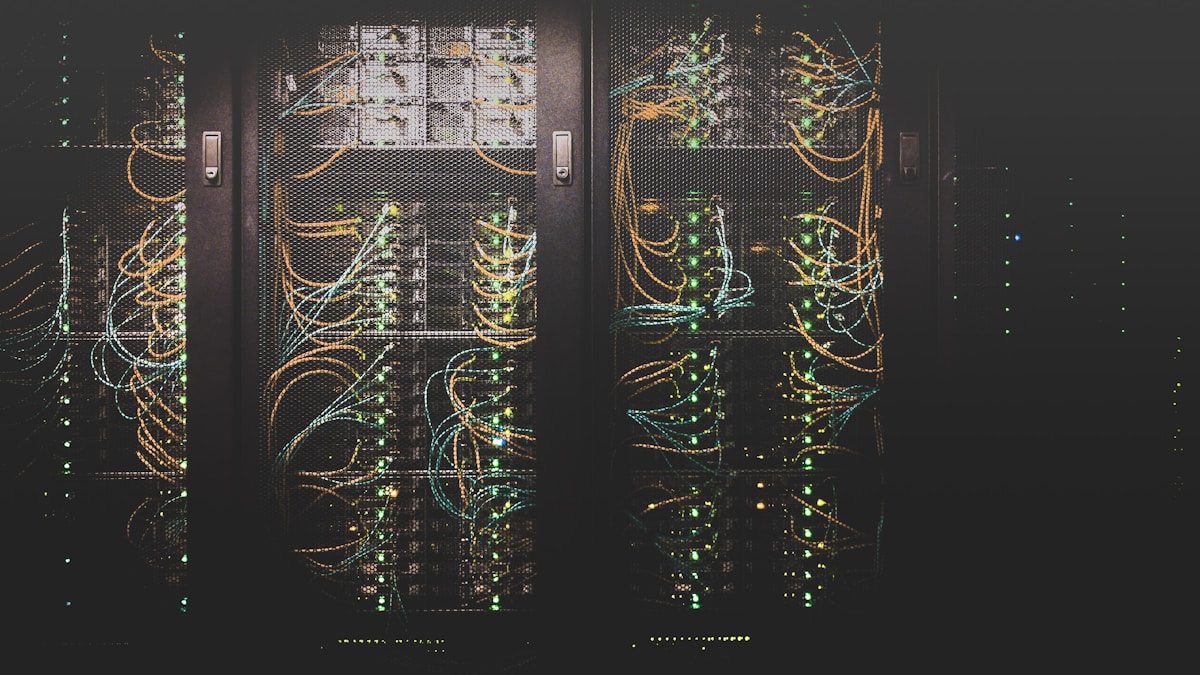
Walk into a packed arena in Dubai and the experience feels seamless — giant LED screens keeping pace with live action, interactive displays responding the instant you move toward them, holographic presenters materializing without a flicker. That level of responsiveness does not happen by accident. It is infrastructure. And in 2026, the infrastructure that is quietly rewiring how Dubai's venues operate is called 5G edge computing.
The combination of fifth-generation wireless connectivity and multi-access edge computing — servers deployed directly within or near venues rather than routed through distant data centers — is unlocking latency performance that was physically impossible just three years ago. We are talking sub-5 millisecond round-trip times, enough to drive 8K video walls, real-time AI analytics, and immersive AR overlays without the lag that kills the experience.
Why Latency Is Everything for a Modern Venue
In the world of live events and digital signage, latency is the invisible enemy. A video wall that stutters. A gesture-controlled display that responds a beat too late. An AI-powered crowd analytics system that delivers insights after the crowd has already moved on. These failures are not software problems — they are the consequence of routing everything through cloud servers hundreds of milliseconds away.
Edge computing eliminates that gap. By placing compute power at the venue itself — often co-located with 5G small cells or embedded in the building's network architecture — every interaction happens locally, in real-time. For Dubai's venues, where expectation levels are among the highest in the world, this is no longer a nice-to-have. It is a baseline requirement.
5G Network Slicing: Dedicated Bandwidth for Mission-Critical AV
One of the most transformative capabilities within 5G is network slicing — the ability to carve out a virtual, dedicated bandwidth partition for specific applications. A venue can reserve a high-priority slice for its video wall and AV systems, ensuring that even when 30,000 spectators are simultaneously streaming video to their phones, the LED displays stay crisp and glitch-free.
Dubai's telecom operators have invested heavily in private 5G network capabilities across key districts and venues, with the UAE committing over $816 million in 5G infrastructure development. The result is an environment where network slicing is commercially available for enterprise AV deployments — a genuine differentiator for venues competing to host world-class events.
Real-Time Video Walls at Scale
The most immediate application of 5G edge computing in Dubai's venues is real-time video wall management. Modern LED installations — like those powered by BrightSign's XT series players at key Dubai venues — can now receive and render 4K content with latencies under 10 milliseconds. When combined with edge computing, this opens up live content injection: real-time camera feeds, live social media walls, scoreboard integrations, and AI-generated visual overlays that respond to what's happening in the venue right now.
Consider the Coca-Cola Arena or the Dubai Exhibition Centre — venues that regularly host everything from international concerts to trade expos. With 5G edge infrastructure in place, they can support simultaneous 8K video walls across multiple zones, each running independent content, all synchronized to the millisecond via edge nodes rather than a central cloud controller. The result is a display environment that feels alive, not programmed.
Smart Buildings: Where 5G Edge Meets Digital Signage
Beyond event venues, Dubai's smart building sector is emerging as a major beneficiary of 5G edge deployment. Business districts including DIFC, Business Bay, and Dubai Marina are seeing on-site MEC (Multi-access Edge Computing) servers deployed to handle real-time AI video processing for digital signage networks, access control systems, and energy management dashboards — all running locally with sub-5ms response times.
For facility managers and building operators, this shift is significant. Digital signage networks that previously relied on cloud CMS platforms with 2-5 second refresh cycles can now update in real-time — displaying emergency notifications, crowd density alerts, or wayfinding updates the instant conditions change. This is particularly relevant for venues like Dubai International Airport, which handles over 90 million passengers annually and where signage latency directly impacts traveler experience.
The AV Integrator's New Toolkit
For AV professionals working in Dubai, 5G edge computing is reshaping the design toolkit. Traditional AV-over-IP architectures required dedicated fiber runs, complex VLAN configurations, and meticulous QoS (Quality of Service) tuning to ensure reliable video distribution. With 5G edge, the network itself becomes the transport layer — with built-in low latency, high bandwidth, and the ability to isolate AV traffic from general building data.
Integrators are now deploying hybrid architectures where BrightSign players and Nexmosphere sensor networks connect over 5G edge for interactive installations where cable runs are impractical — historic buildings, temporary event structures, or outdoor public spaces. This is expanding the scope of what is possible for digital signage in the region.
What's Coming Next: AR Overlays, Holographic Events, and AI Crowd Intelligence
The latency ceiling that edge computing is breaking through unlocks a wave of applications that were previously theoretical. Real-time AR overlays delivered to mobile devices — imagine walking into a Dubai mall and seeing personalized brand content layered over physical displays as you move through the space — require sub-20ms latency to feel natural. Edge computing delivers that.
Holographic event activations, where 3D content is rendered in real-time and projected without perceptible delay, are already in deployment at high-profile Dubai events. And AI-powered crowd analytics — using computer vision to monitor dwell times, crowd density, and flow patterns across 50+ cameras in under 30 milliseconds — is now live in several major Dubai venues, enabling security and operations teams to respond to emerging situations in real-time.
Conclusion: The Infrastructure Behind the Experience
Dubai has built its reputation on experiences that feel effortless — and the technology underneath is becoming equally impressive. 5G edge computing is not a future promise; it is a present reality reshaping how the city's venues think, respond, and deliver.
For brands, venues, and event organizers looking to stay ahead, the message is straightforward: the quality of your connectivity infrastructure will determine the quality of your guest experience. At DigiComm, we help businesses across the UAE deploy these next-generation AV systems — from BrightSign-powered video walls to AI-integrated interactive installations — backed by the network infrastructure they need to perform at their best.
Explore our Solutions or connect with our team to discuss how 5G edge computing can transform your venue.